Blue lace flower seeds
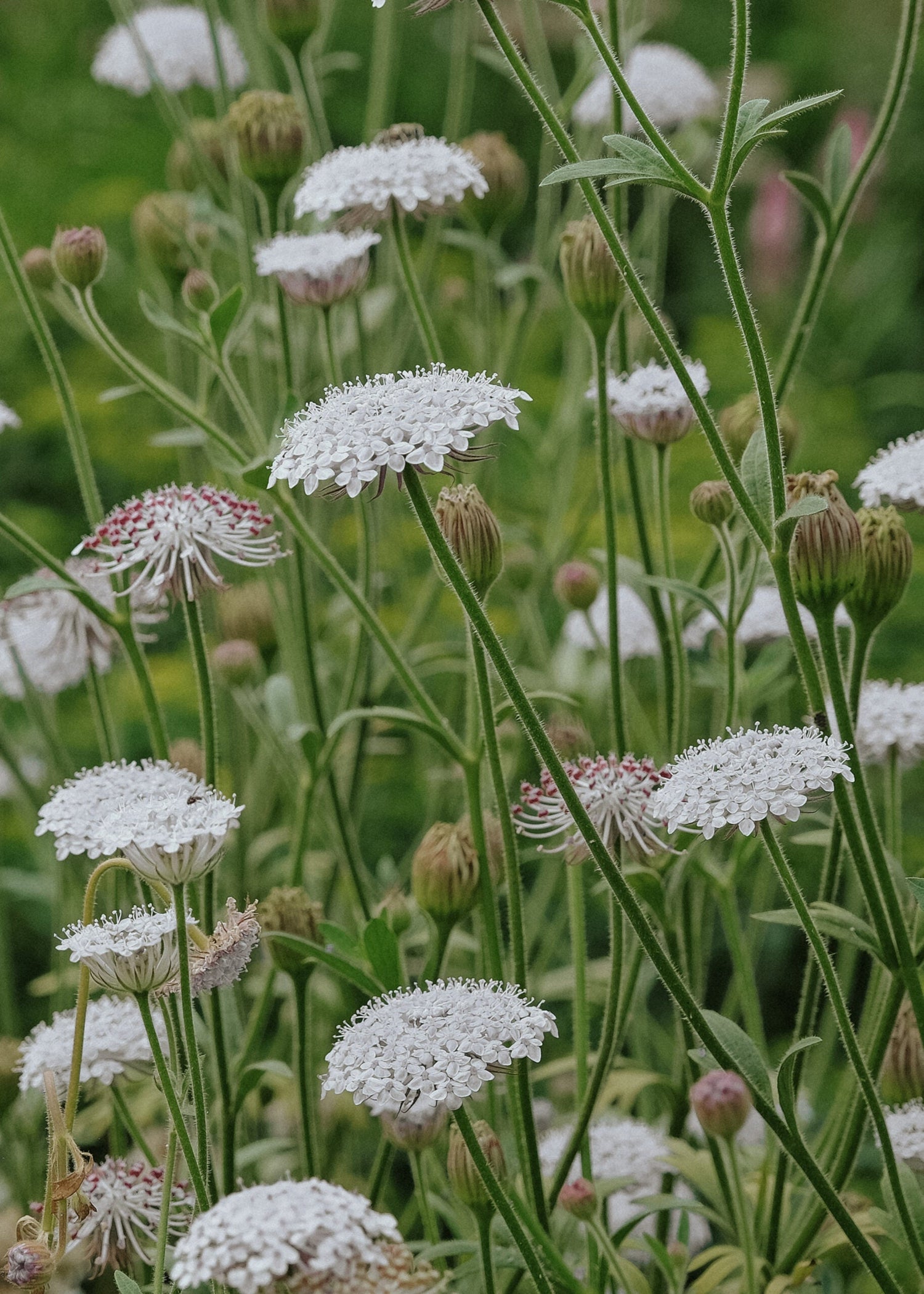
The blue lace flower is incredibly beautiful with small delicate flowers in light pastel colours! Plant it in your garden for sublime elegance, and also use the blue lace flower as a cut flower in your bouquets.
Grow and plant blue lace flower in your garden!
The blue lace flower (Trachymene coerulea) is an annual summer flower that brings charm and elegance to the garden. Here is a detailed guide to growing and caring for this wonderful flower.
1. Location and soil: The blue lace flower thrives best in full sun. The soil should be well-drained and rich in organic matter. If the soil is heavy with clay, you can improve drainage by adding sand.
2. When to sow: Start the blue lace flower indoors in March or April. It can also be sown directly in its final position once the soil has warmed up properly.
3. Sowing blue lace flower seeds: Cover the seeds with a thin layer of soil or vermiculite – the seeds need darkness to germinate. Germination takes 15 to 30 days. Once the seeds have germinated, keep the tray as cool and bright as possible.
4. Plant with spacing: Plant the blue lace flowers out about 25 cm apart once they have been properly hardened off and all risk of frost has passed. The plants reach 50 to 69 cm in height and flower from July to September.
Tips!
- Deadhead faded blooms regularly to encourage new growth and extend the flowering period.
- Apply organic fertiliser in spring to support the blue lace flower's nutritional needs.
The history of the blue lace flower
The blue lace flower is native to south-western Australia and was described scientifically in 1828 by Robert Graham in Edinburgh, from seed sent there by the botanist Charles Fraser. The species has also been placed in the genus Didiscus, which is why it is still sold as Didiscus caeruleus. The Aboriginal Noongar people used mashed leaves to relieve aches and pains, and inhaled the vapour from the crushed leaves for headaches.
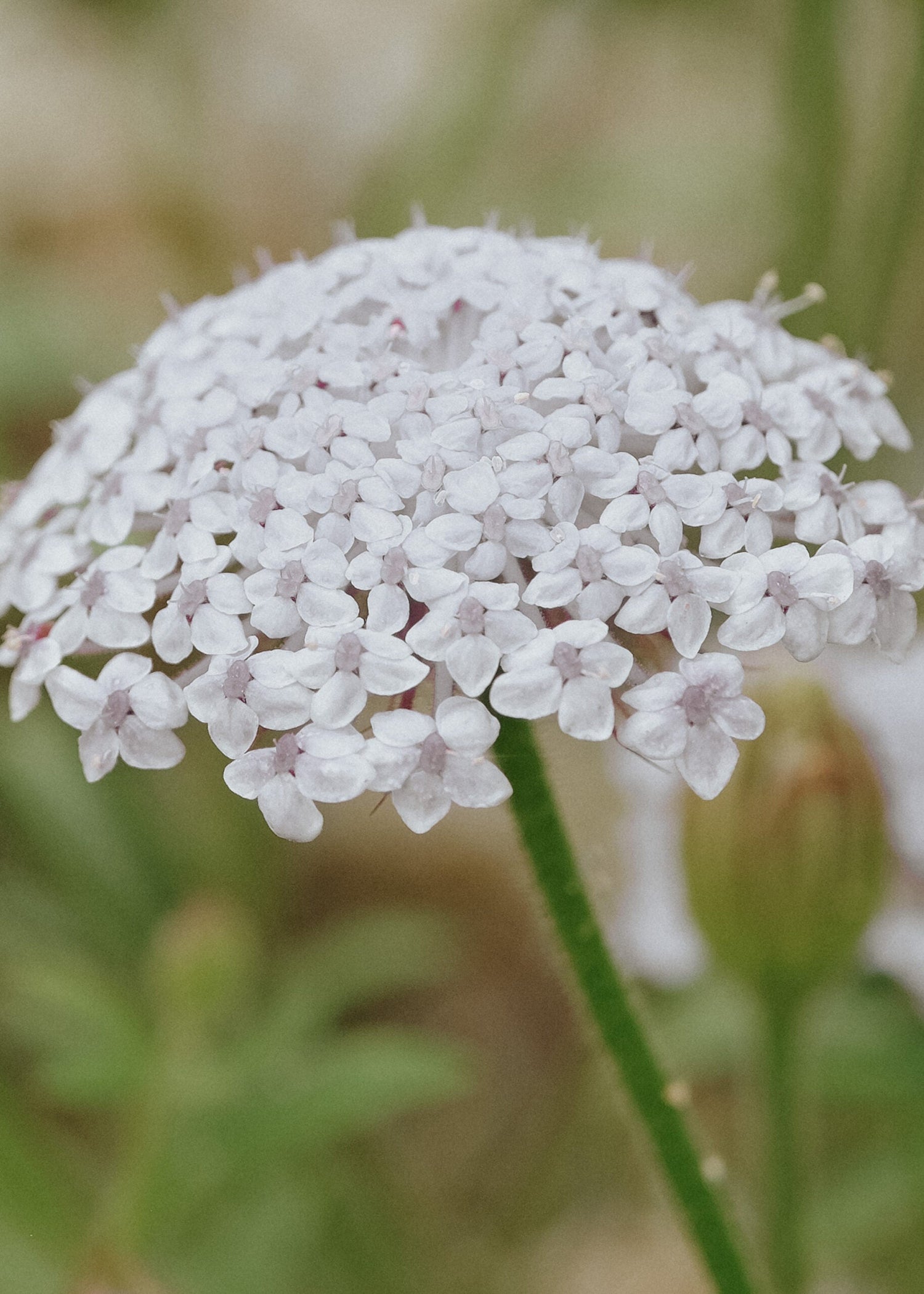
In garden design, the blue lace flower has become a favourite for those looking to create a romantic and airy atmosphere. Each flower head consists of 130 to 300 tiny flowers in blue, purple or white, giving a lacy, floating feel to both borders and bouquets.
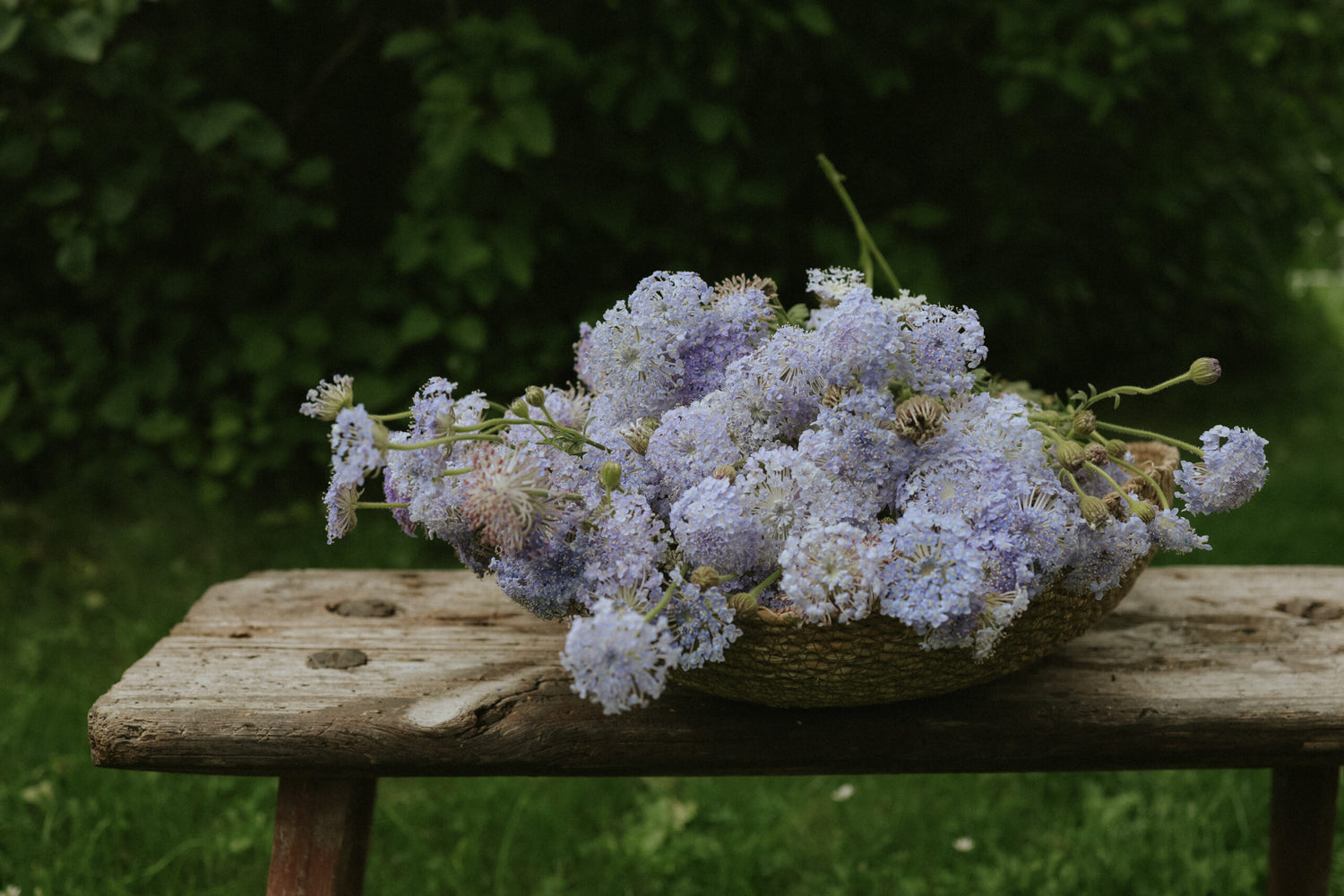
The blue lace flower in bouquets
With its fluffy, cloud-like flower heads, the blue lace flower brings a romantic and enchanting atmosphere to your bouquet!
Pairing with other flowers: By mixing and matching the blue lace flower with other flowers, you can create either contrasting or harmonious arrangements. It works especially well with roses, peonies and lavender.
Main feature or subtle touch: The blue lace flower can be the star of the bouquet or serve as a graceful companion to other flowers. Its soft tones and delicate flower heads make it a versatile addition.
Seasonal bouquet inspiration: Tailor your bouquet to seasonal colours and themes. The blue lace flower is a delightful companion in summer bouquets and arrangements.
- Alle blomster
- Amarant
- Aster
- Atlaskblomst
- Blomsterkarse
- Kornblomst
- Buketblandinger
- Buketfyld
- Celosia
- Eukalyptus
- Fingerbøl
- Honningurt
- Kæmpe Evighedsblomst
- Kinesisk Forglemmigej
- Klokkeranke
- Lavendel
- Løvemund
- Ærteblomst
- Levkøj
- Matrem
- Petunia
- Lisianthus
- Ridderspore
- Vinget Hindebæger
- Stolt Kavaler
- Solhat
- Russisk Mandstro
- Sibirisk valmue
- Solsikker
- Mamelukærme
- Sommerfloks
- Stjerneskærm
- Stokroser
- Svenske frø
- Californisk Valmue
- Valmue
- Skabiose
- Frøkenhat
- Engblandinger
3 products
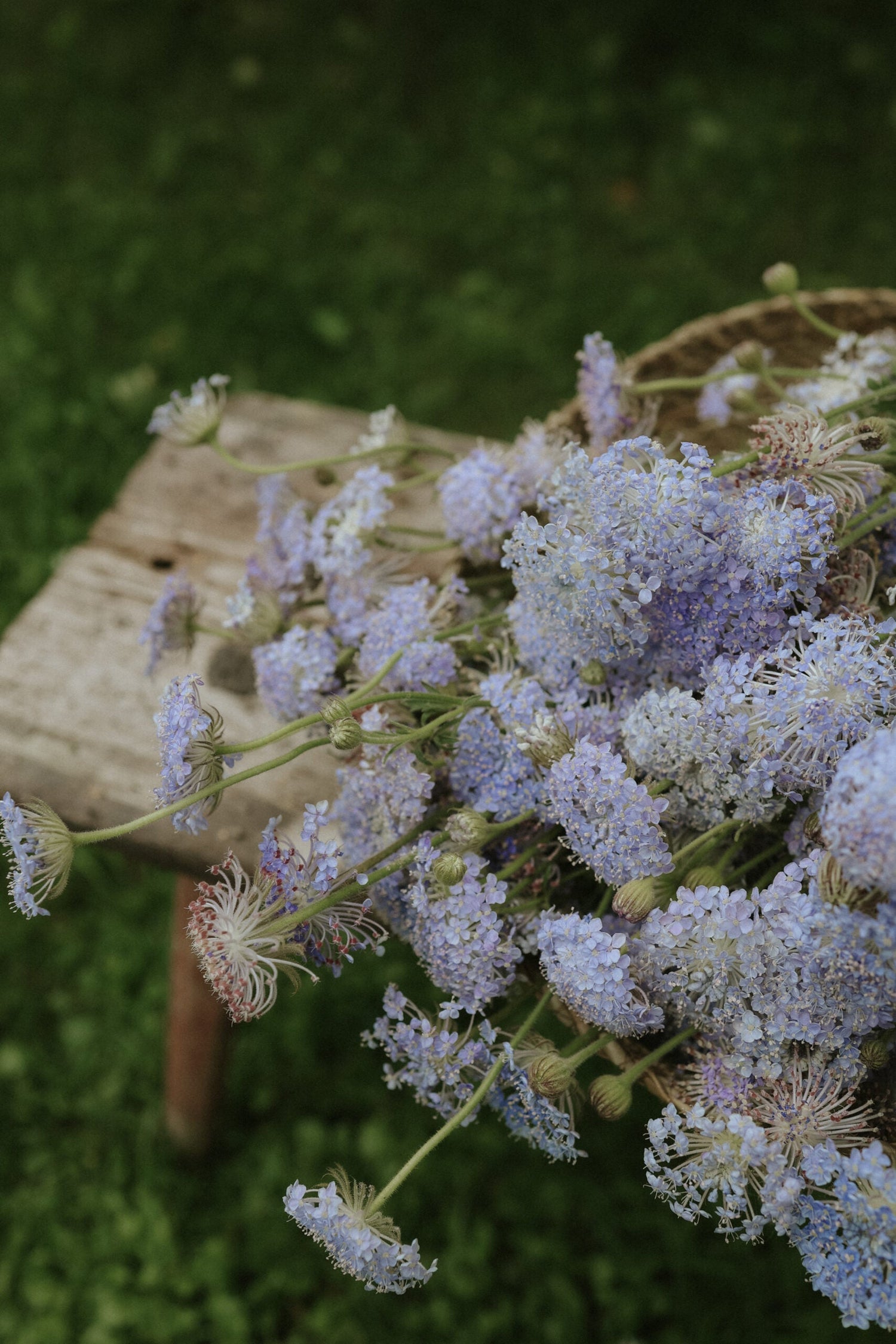
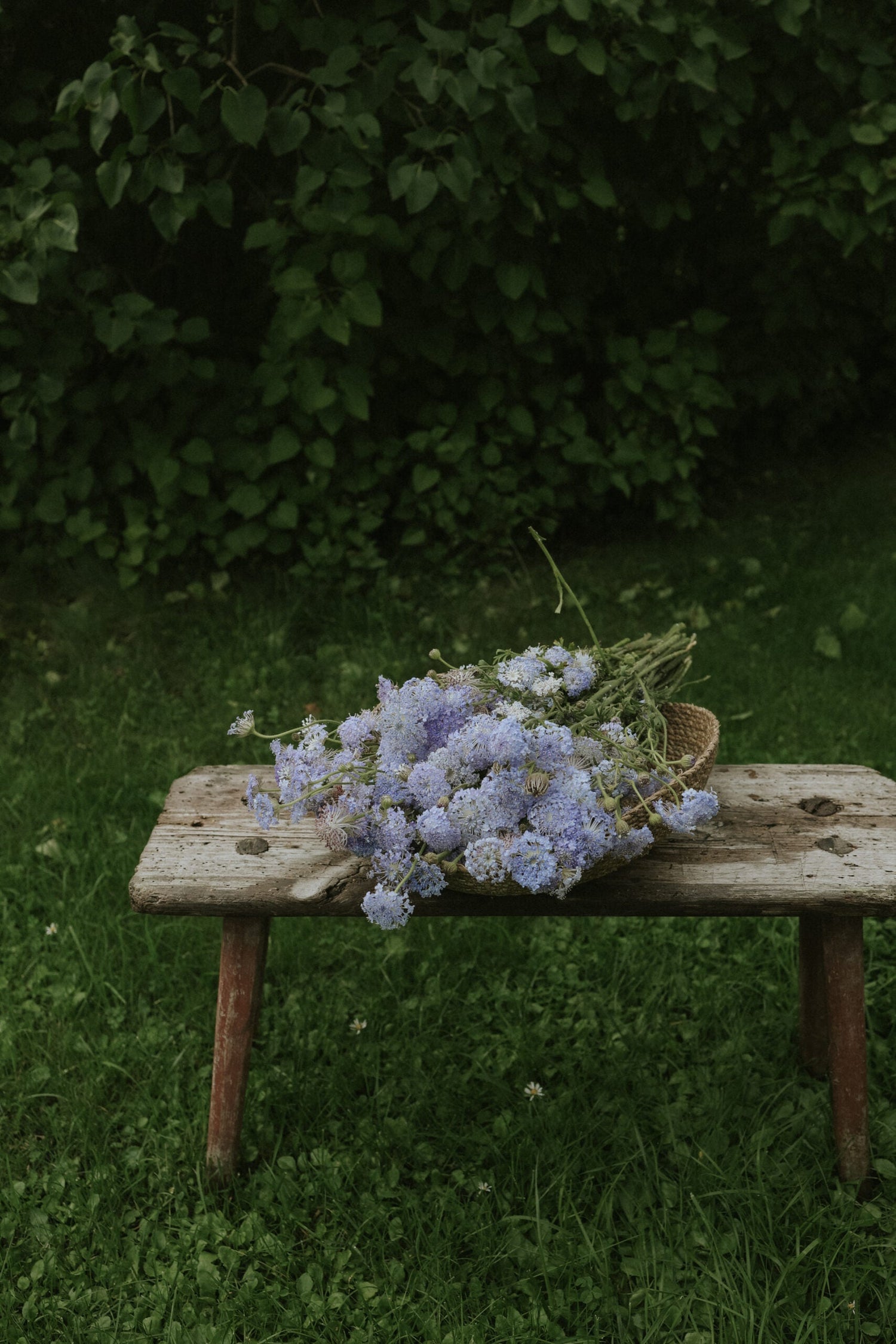
Lace flower / Didiscus - Lace Blue
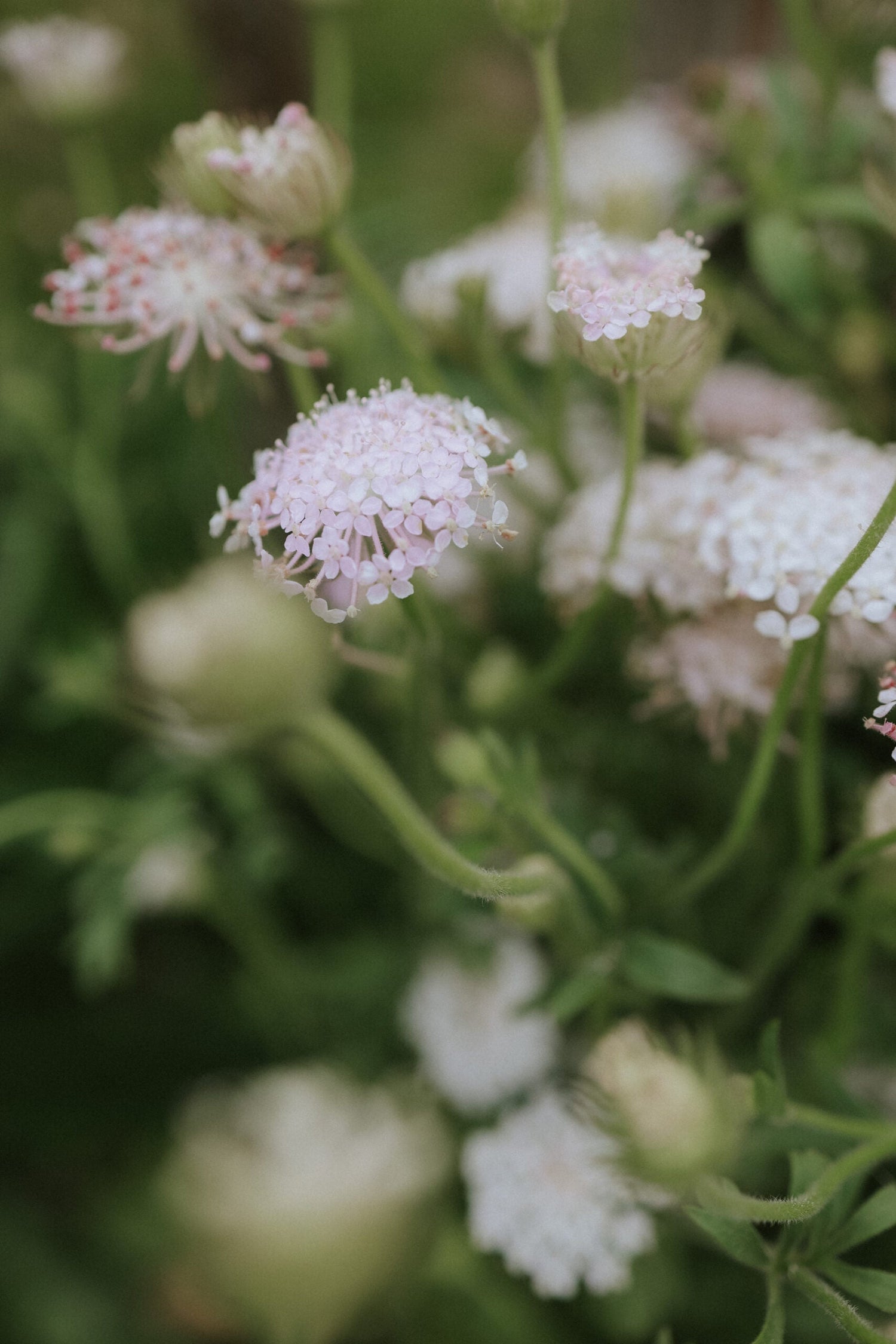
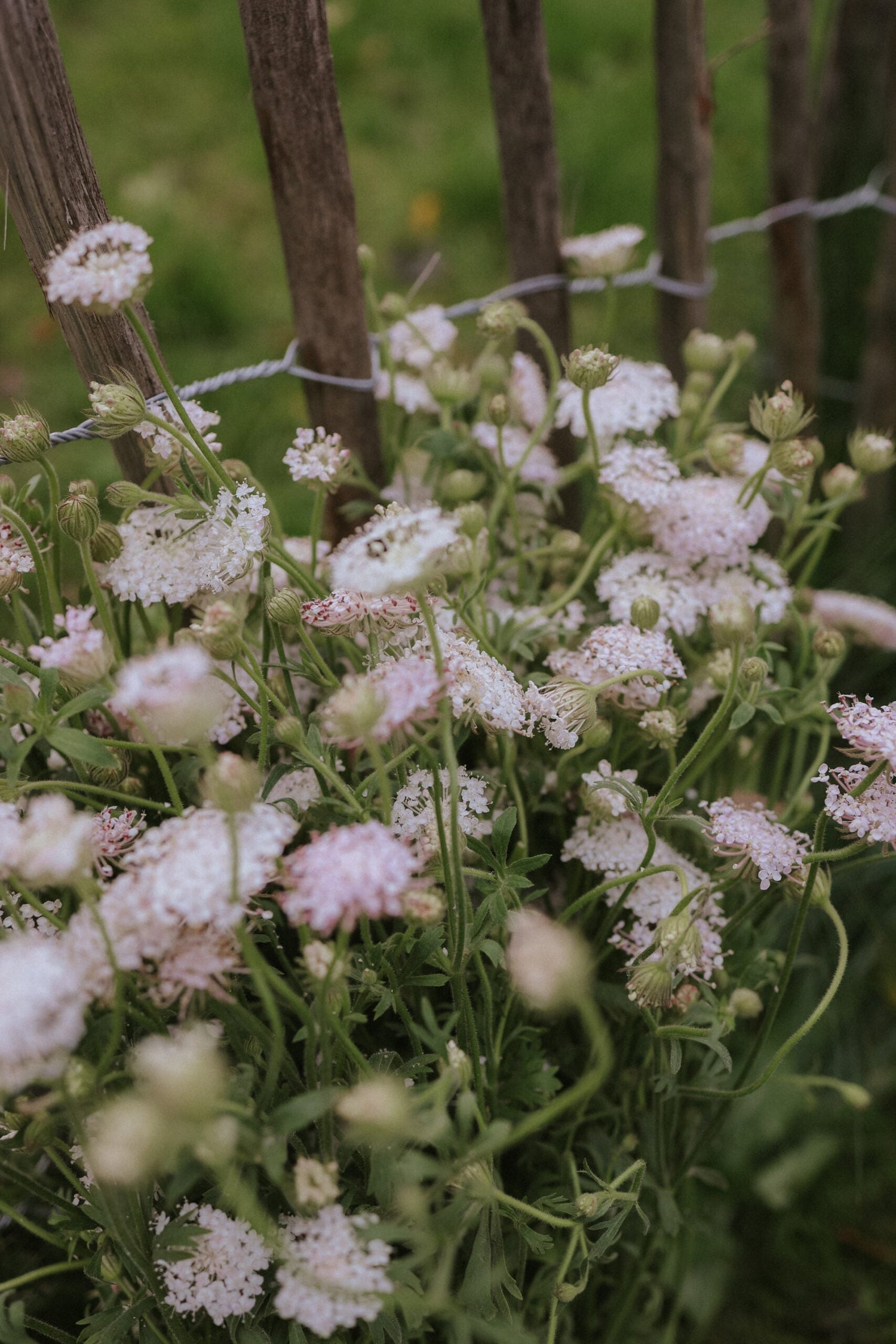
Lace flower / Didiscus - Lace Pink