Vegetables
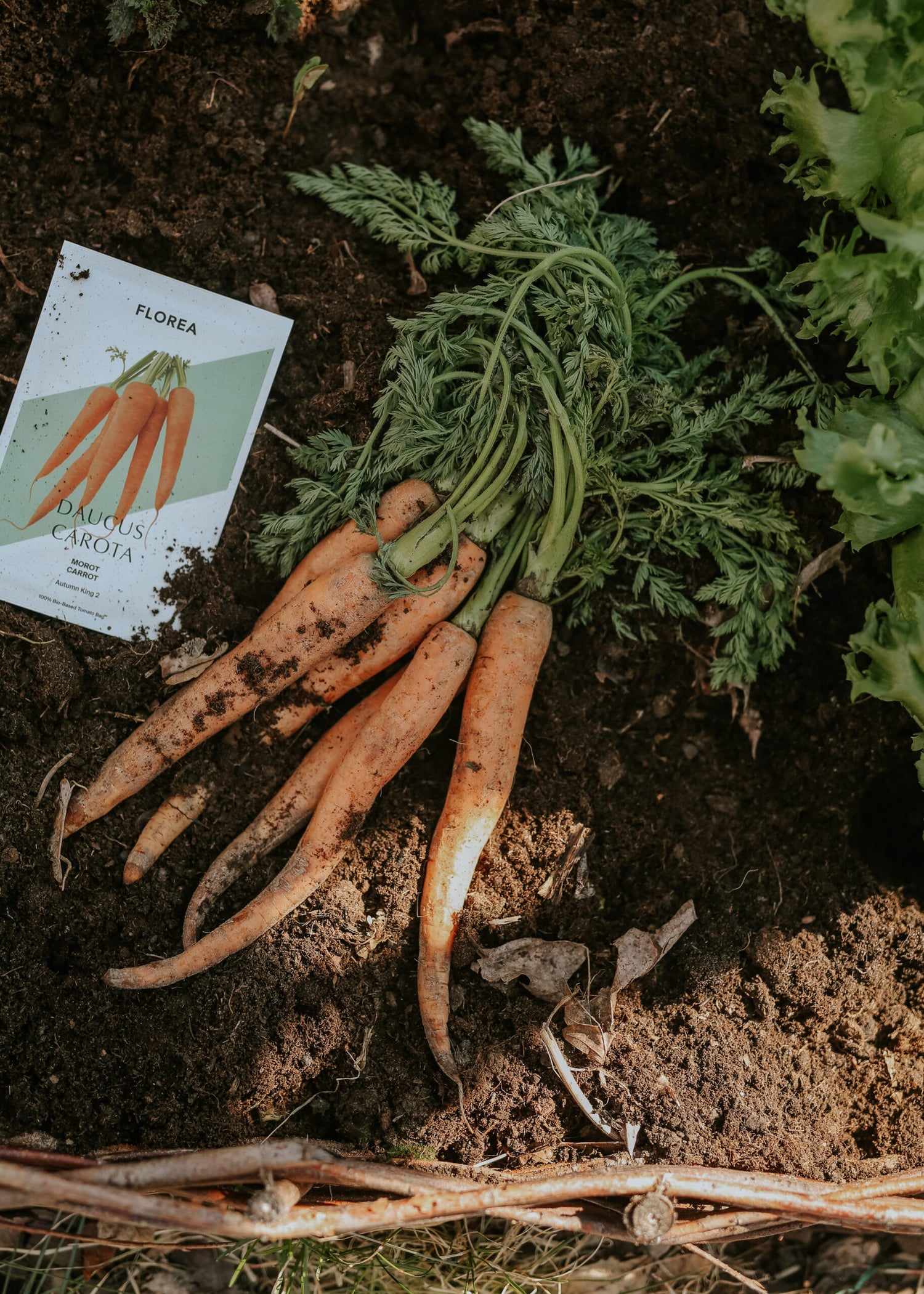
Soil, water and sun are really all you need to grow vegetables. The soil can be in pots or in boxes if you have limited space in the garden. There are a wide range of easy-to-grow vegetables that you can harvest at their peak. Taking care of plants is also an inspiring and healthy activity that for many people becomes a lifestyle. We want to inspire both those who want to become self-sufficient in essential crops and those who are new to growing.
How to succeed in growing vegetables
Soil composition affects, among other things, how much water it can hold, and different plants have different preferences. If the soil in your garden is not suitable for a vegetable you want to grow, you can change its structure and nutrient composition. Plant vegetables in a pit you filled with soil that has the right qualities. Growing vegetables is also about meeting each vegetable's specific nutritional needs. This is especially important if you grow the same thing in the same place year after year. Over time, if you don't add these nutrients, the soil will be depleted of the very things the vegetable needs.
Home-grown vegetables are good for you
Freshly harvested vegetables that have been left to ripen in the sun instead of on a shelf at the supermarket have a high nutrient content. They are also guaranteed to be non-toxic.
Cruciferous vegetables
There's a lot of talk about cruciferous vegetables. They contain substances called glucosinolates which, according to the latest findings, have major health benefits. This group includes many vegetables that have long been grown in Sweden, for example:
- White cabbage, kale and several other common cabbage varieties
- broccoli
- cauliflower
- Brussels sprouts
- Beetroot
- parsley
- Celeriac
If you want to start growing vegetables but find it difficult to choose between all the varieties, we recommend you try cruciferous vegetables.
Growing vegetables indoors
With a little planning, you can enjoy home-grown vegetables all year round by growing them indoors. The lack of light is often the biggest problem for those who want to grow vegetables indoors. If you want a good harvest in relation to space and labour, perennial vegetables are a good choice. Herbs such as thyme and oregano are an excellent choice for many.
Here are some general tips that can help you succeed with indoor growing of many different vegetables:
- Grow vegetables in a place where they get 6-8 hours of sunlight per day. Use plant lights if there is too little natural sunlight.
- Allow the soil to dry between waterings but water regularly.
- Feed according to each vegetable's needs.
- Perennial vegetables that overwinter may need to be kept cooler during their resting period.
- Replace the soil every two years.
- Indoor air can be too dry, however, having many plants raises the humidity.
One advantage of growing vegetables indoors is that you can control the climate to a greater extent than when growing vegetables outdoors.
Asian vegetables
Asian vegetables are often suitable for both outdoor and indoor growing. The range available in the shops is getting bigger and bigger. Broccolini, similar to broccoli but with smaller florets, is one of our Asian favourites. The leafy vegetables mizuna and pak choi are also well worth growing.
Author: Johanna Damm
Fact-checked by Erik Hoekstra
Last updated 2023-12-11