Growing Cabbage
Here we go through some important things to keep in mind before growing cabbage, so you can soon enjoy this wonderful plant – both delicious and incredibly healthy!
Choice of Soil
For growing cabbage, it’s best to use well-fertilized soil with a pH above 6. This is where cabbage thrives the most.
Watering
Cabbage requires plenty of regular watering to prevent it from drying out. Mulching with materials like hay or grass clippings can help keep the soil moist and reduce how often you need to water – and it also keeps weeds down!
Starting Cabbage Indoors
By starting your cabbage indoors, you can achieve better results:
Sow the seeds in a seed tray, moisten the soil, and cover with plastic film.
Place the tray in a bright location without direct sunlight; a heat mat can improve germination.
When the first leaves appear, remove the cover and place the plants somewhere cool and bright (around 15°C / 59°F).
Once the true leaves have developed, give a weak fertilizer and begin hardening off the plants gradually.
When the plants are strong and the risk of frost has passed, transplant them into the garden.
Common Characteristics of Cabbage
Cabbage Heads
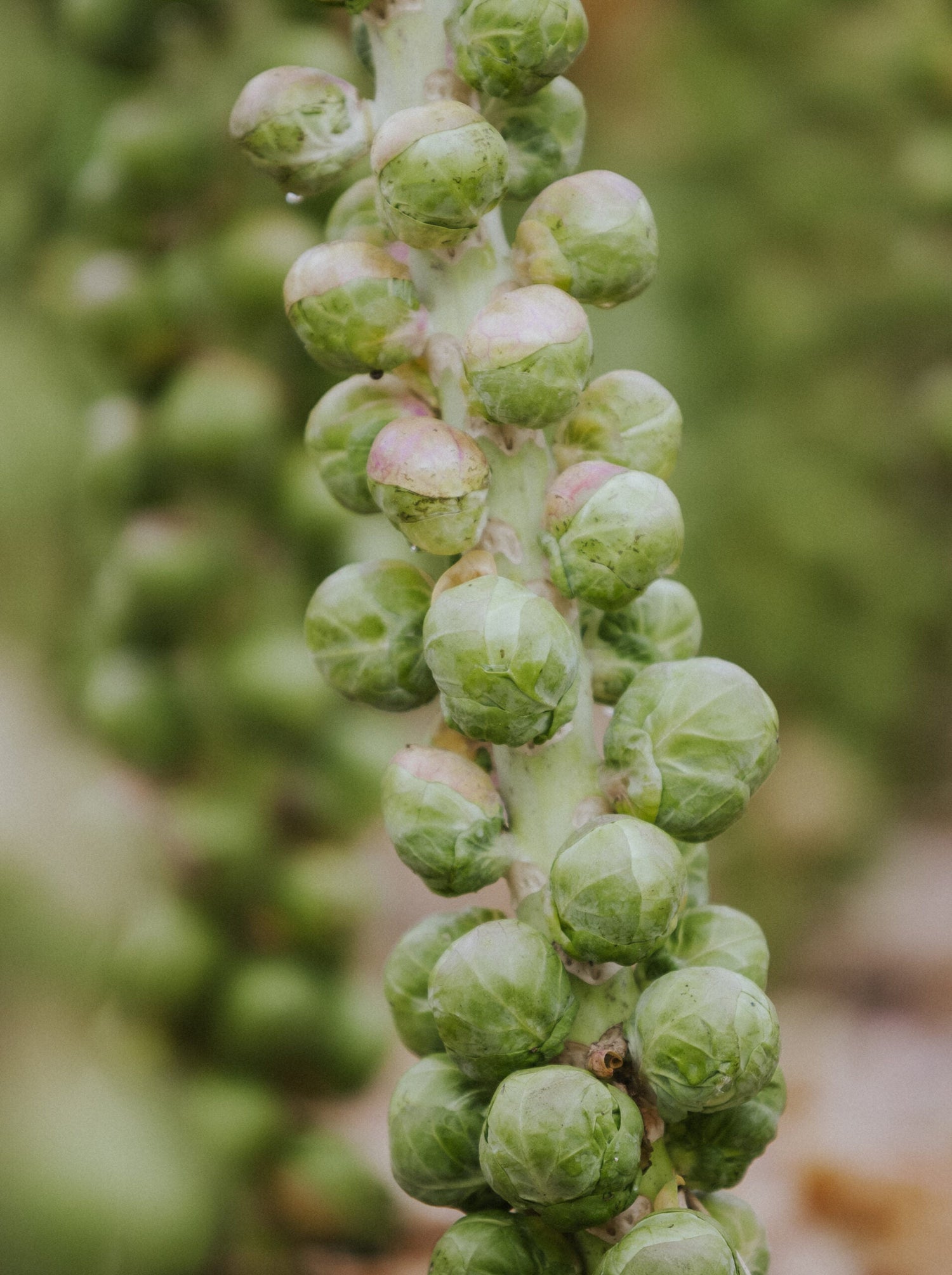
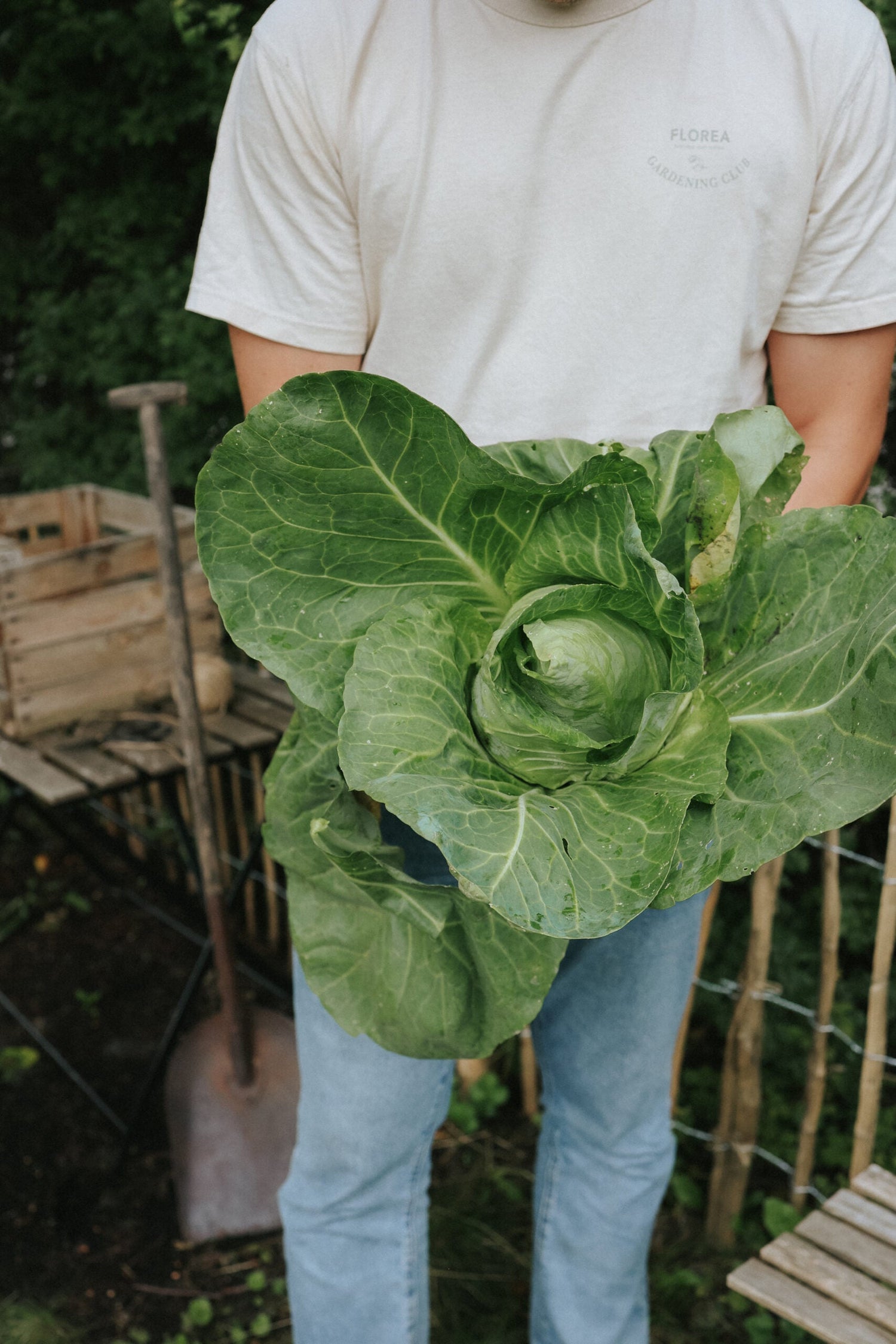
Most cabbage varieties form heads or buds. White cabbage, red cabbage, and savoy cabbage form firm, compact heads, while broccoli and cauliflower develop flower buds.
Nutrient-Rich Cabbage
Cabbage is highly nutritious and an excellent source of vitamins, minerals, and antioxidants. All cabbage types contain high amounts of calcium, vitamin C, iron, fiber, and beta-carotene, which the body converts into vitamin A.
Cold Tolerance
Many cabbages tolerate cold very well and can even improve in flavor after light frost. This makes them ideal crops for autumn and winter gardening.
Cross-Pollination
Cabbage can cross-pollinate easily, which may lead to unwanted hybrids if different varieties grow too close together. To maintain varietal purity, plants should be isolated or pollinators managed.
Good for the Garden
Cabbage makes an excellent green manure crop. Its deep root system improves soil structure and adds nutrients, benefiting any crops grown afterward.