Autumn sowing means the seed rests in the soil through the winter and germinates on its own as soon as spring warms up. You skip the indoor sowing and the windowsills, and you get earlier flowering and the first harvests long before spring-sown plants catch up. Here we have gathered the varieties in our range that can handle it.
When to sow in autumn
Sow as late as possible, but before the frost has worked its way into the ground. In colder regions it is often time as early as October, in milder ones not until November. If the soil is too warm when you sow, the seed germinates straight away and the small plants will not survive the winter. The biggest threat is rarely the cold but the wet, so choose a spot with good drainage.
How to do it
Clear away all weeds and enrich the soil with compost or well-rotted manure. Rake a level seedbed, draw your drills and sow at the depth and row spacing given on the seed packet. Cover the seeds with soil, water lightly and preferably add a winter cover of leaves or spruce branches. Remove the cover carefully once the plants start to come up in spring.
Vegetables and herbs for autumn sowing
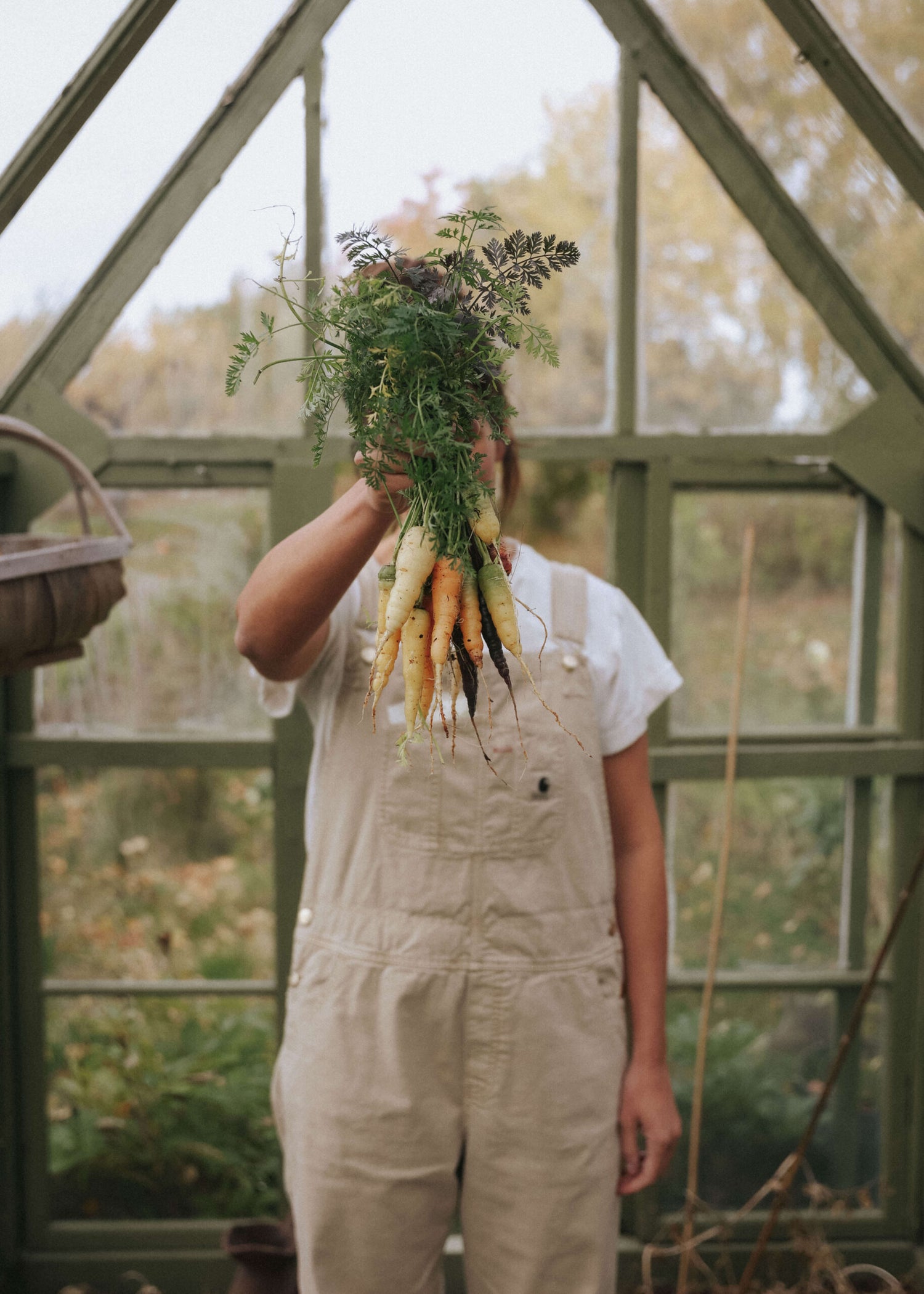
Carrot, parsnip, radish, beetroot, spinach, lettuce, dill, parsley, chives and onions grown from seed. Beetroot is a little fussier and does best in milder regions. Onion sets do not belong here, they are planted separately.
Flowers for autumn sowing
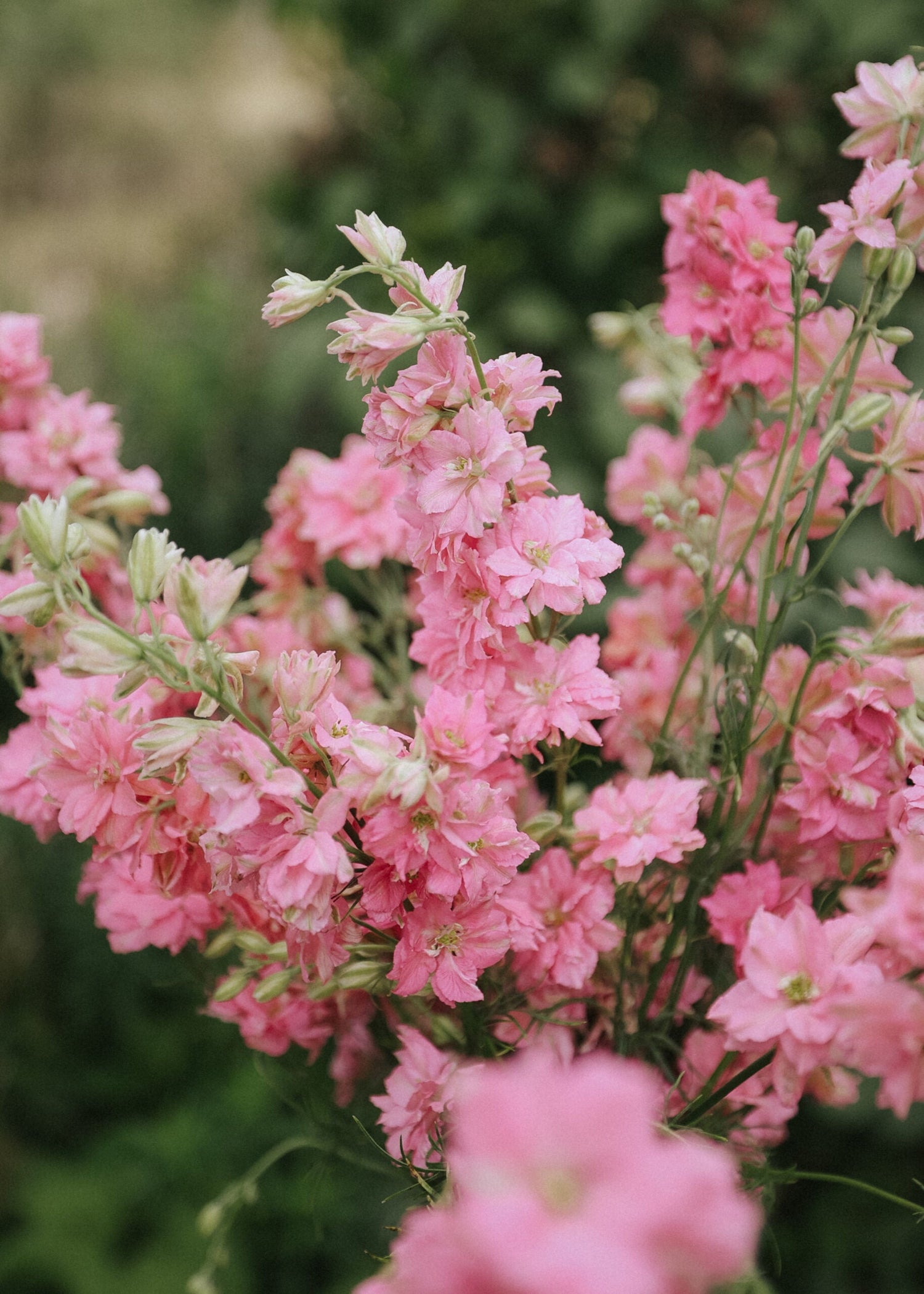
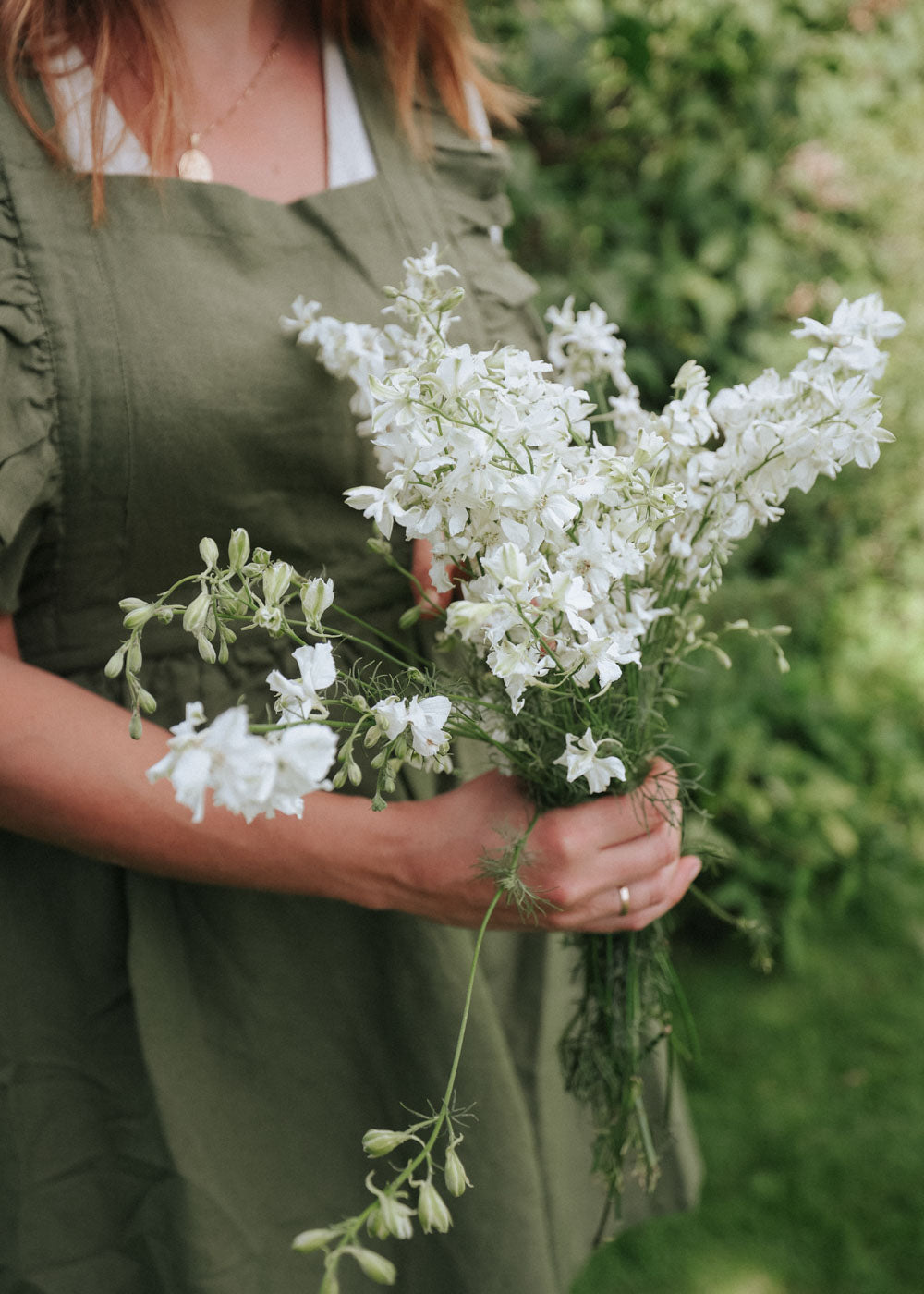
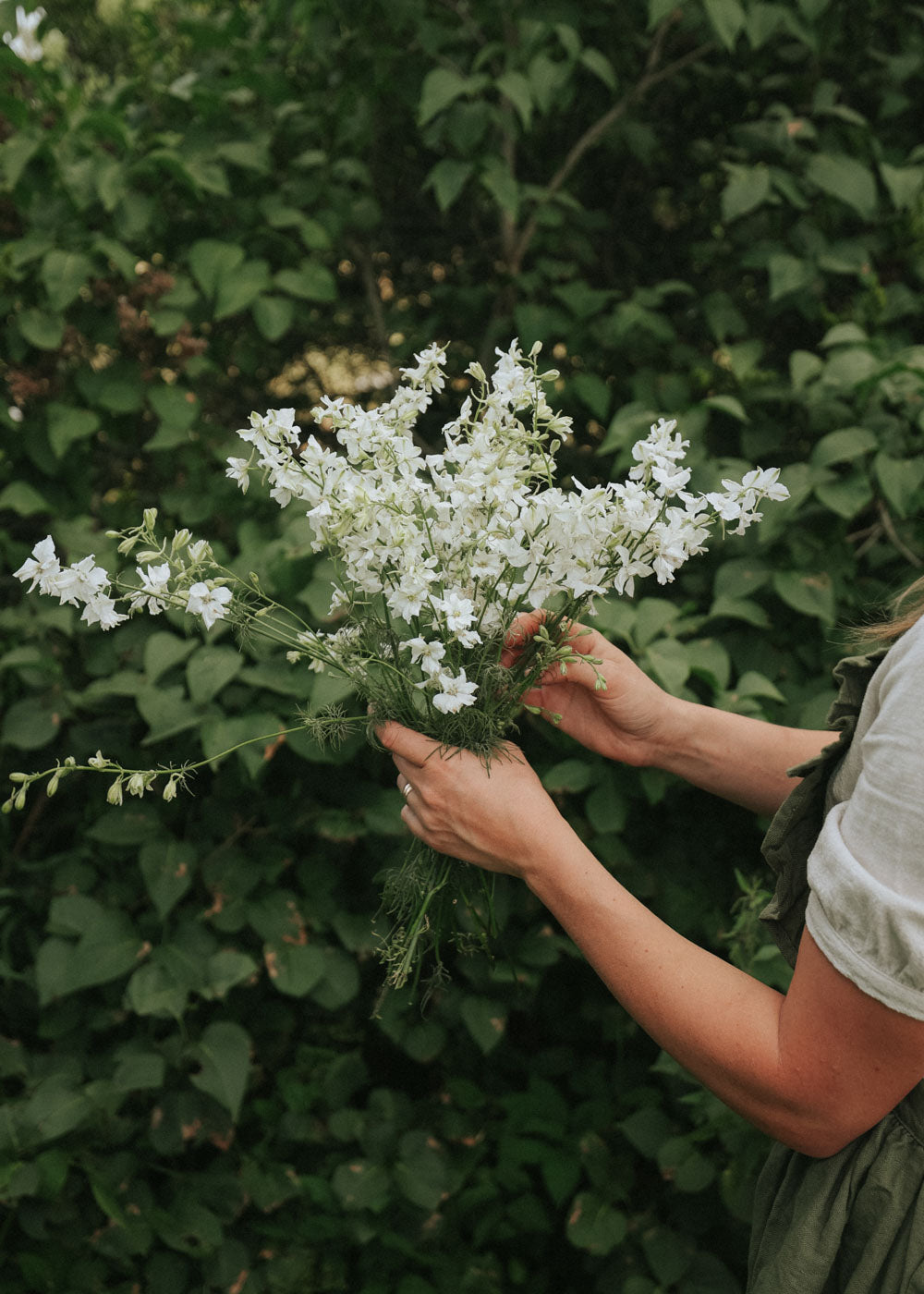
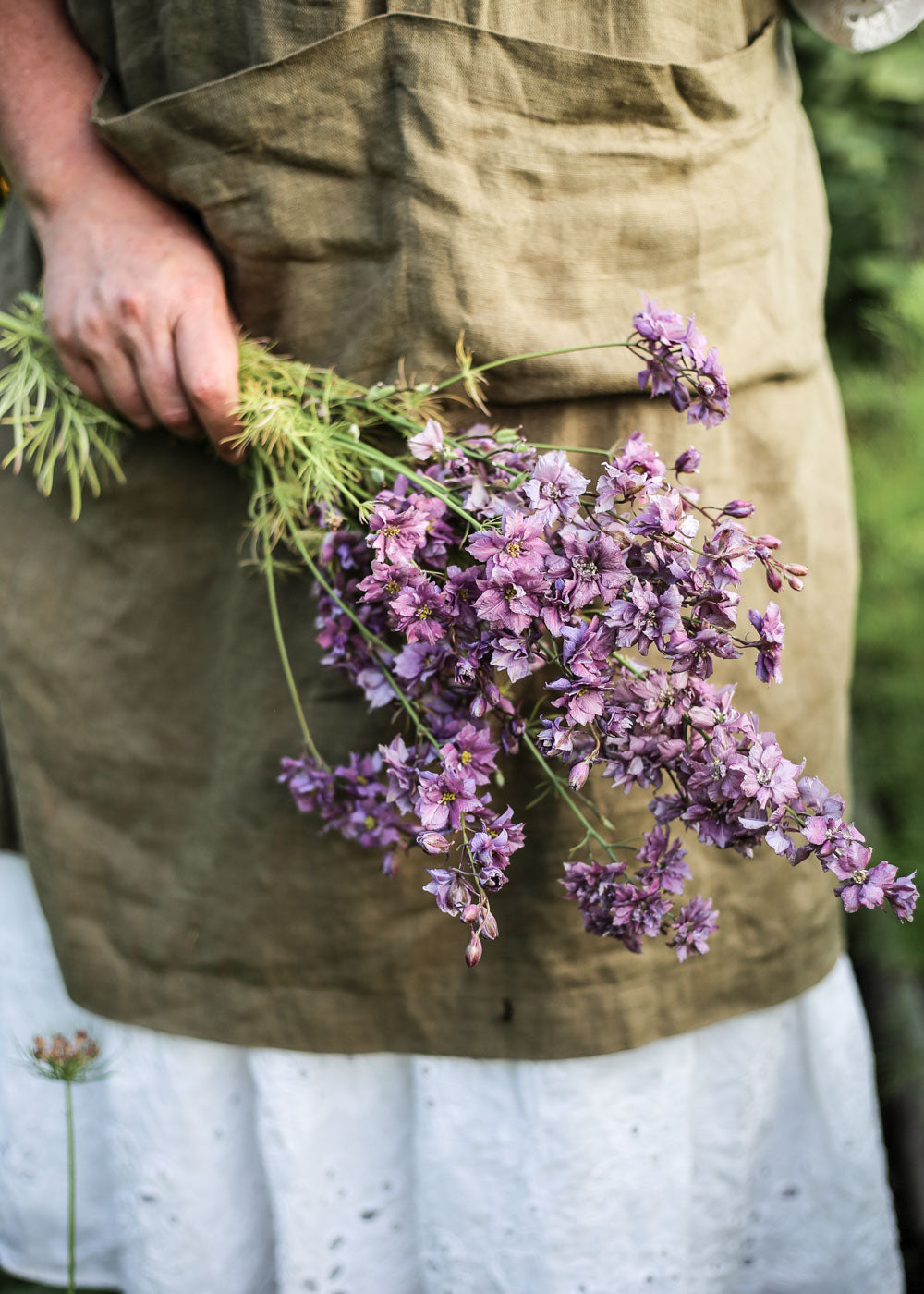
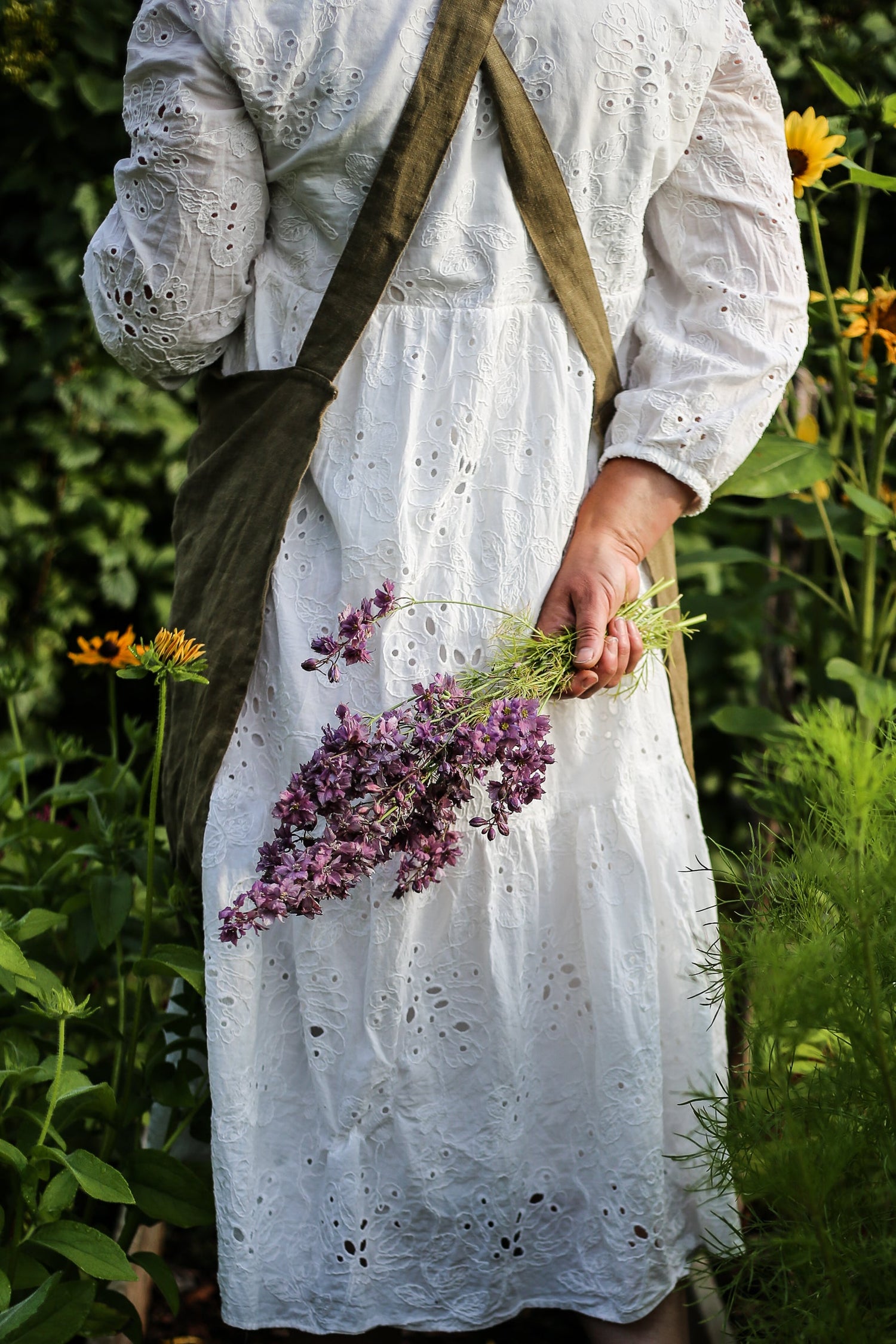
Pot marigold, cornflower, poppy, opium poppy (Papaver somniferum), larkspur (Consolida), bishop's flower (Ammi majus), ox-eye daisy, love-in-a-mist (Nigella) and wild carrot (Daucus carota). They root quietly through the autumn and flower both earlier and more strongly than spring-sown plants.